Relationships and insecurity
When a small change in someone important to you stirs up a lot of questions or fear.

Knowing isn’t always the part that’s missing.
In therapy, we can explore what happens when everything you already know about yourself isn’t enough to respond differently. When someone pulls away, when you need to say no, when the grief returns, when your body reacts before you’ve had time to think.
If you recognized yourself in any of these, this space may be for you.

I’m less interested in telling you what you should stop doing than in understanding why some part of you still needs to do it.
Sometimes anxiety keeps us one step ahead. Pleasing other people keeps us away from conflict. Holding on to someone keeps us away from a different kind of loss.
In therapy, we slow things down and get curious about what happens underneath these reactions: what you feel, what you fear, and what they might be protecting you from. Understanding that doesn’t mean staying there. It gives us somewhere more useful to begin.
Not to make those reactions disappear, but to understand them well enough that you have more choice in what happens next.
Psychotherapist · CBT · Schema therapy · Somatic work
These are some of the things people often bring to therapy. You don't need to fit any of them to start.
When a small change in someone important to you stirs up a lot of questions or fear.
When you know what you want to do differently, but in the moment you go back to what’s familiar.
When choosing yourself brings up guilt, or you feel you never do enough.
When something in your life changes and you don’t yet know how to find yourself in what comes next.



In therapy, we pay attention to different parts of your experience: what you think, what you feel in your body, and what happens between us.
We explore the beliefs, expectations and familiar ways of interpreting situations that influence how you respond. Sometimes these are so familiar that you barely notice them.
A tightening in your chest. The impulse to withdraw, explain yourself or agree when you don’t want to. We slow down enough to notice these responses and what happens around them.
Maybe it’s hard to tell me you disagree, to share something you feel ashamed of, or you worry about what I might think of you.
We can notice it together. Sometimes what happens between us also echoes what you experience in other relationships.


What if the reaction isn’t the whole problem?
Sometimes the thing you most want to stop is also doing something for you.
That doesn’t mean we leave the pattern untouched. It means we understand what we’re asking you to give up before we ask you to give it up.

You don’t need to arrive knowing exactly what’s wrong.
We usually start with what’s happening now. Something that happened this week. A reaction you don’t understand. A conversation you keep replaying. Something you’ve been thinking about for months but still don’t know what to do with.
I’ll ask questions, we’ll share what we notice along the way, and we’ll move at a pace we can build together.
That question shaped my own therapy and, eventually, the way I began working with other people.
My own process is still ongoing, and it's part of why I know therapy from the other chair too.

Readings that inspire the way I work and that I often recommend in sessions.

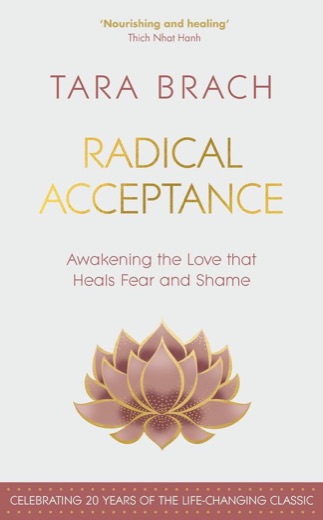

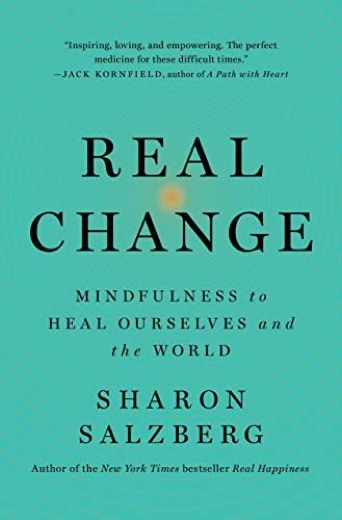







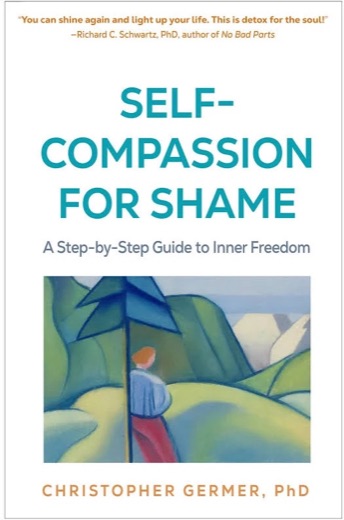



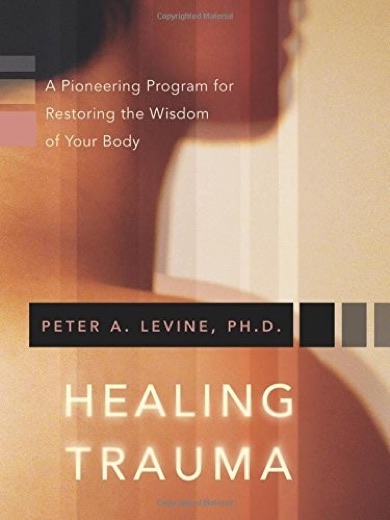
We start with what brings you here. One question I’m often interested in is “Why now?”.
Maybe something happened. Maybe nothing dramatic happened and you’re simply tired of repeating the same thing. Maybe you’ve understood the problem for a long time and realized that understanding it hasn’t changed it.
You don’t need to prepare anything. You don’t need to tell me your whole story in the first hour. We start where you are.
That’s okay. You don’t need to arrive with a clear explanation of what’s happening to you.
Sometimes we start with something very specific that happened that week; other times, simply with the feeling that something isn’t quite right. We can find the words together.
I usually recommend weekly sessions. Depending on each case, they may be twice a month, or even twice a week if symptoms are severe. We can adjust the frequency as needed based on your progress and preferences.
When you book, you pay by card, Apple Pay or Google Pay, securely through Stripe. If you’d rather use Bizum, bank transfer or PayPal, message me on WhatsApp and we’ll arrange it.
Since scheduling an appointment involves reserving time set aside for you, a minimum of 24 hours' notice is required to reschedule or cancel an appointment.
If for any reason a session is cancelled less than 24 hours in advance, the full fee will be charged.
Would you like to start? You can choose a time directly, or message me if you’d rather ask something first. You don’t need to explain everything in your first message.
Would you rather pay by Bizum, bank transfer or PayPal? Message me on WhatsApp.
See my available times and book your session online.
See times and book
You don’t need to explain everything in your first message. A few lines about what’s bringing you here are enough. I read every message myself and reply as soon as I can. If we decide to meet, I’ll send you everything you need for the first session.